Bridge the Gap: Turning Pickleball Drills into Match Wins
By Keaton Smith, Founder of Beast Hack | November 5, 2026
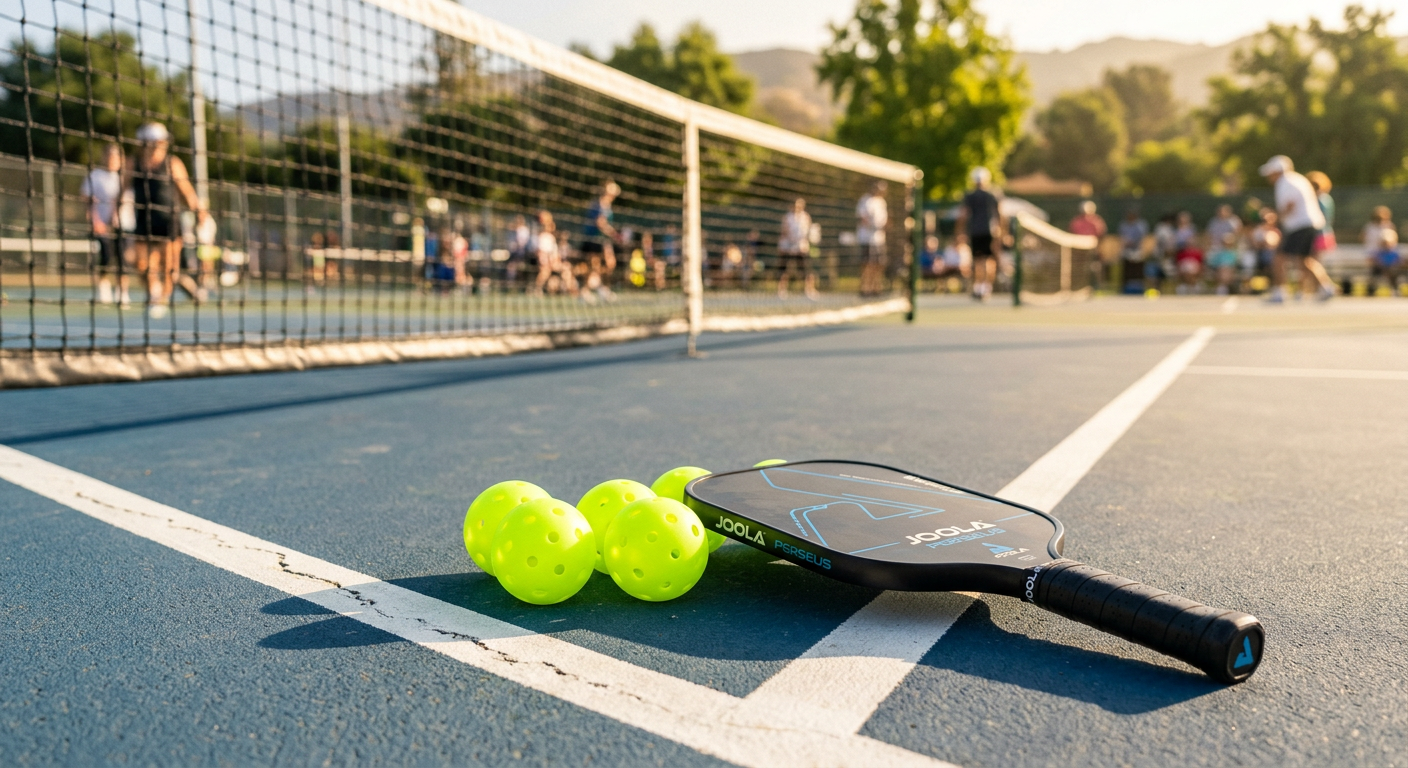
You spend an hour drilling third-shot drops or working with a coach on your soft game. Your feet feel balanced, your paddle angle stays calm, and the ball floats into the kitchen like clockwork. Then Saturday morning arrives. You step onto the court for open play, the score sits at 9-9, an opponent drives a hard ball at your hip, and your mechanics vanish. You punch at the ball, pop it up, and wonder why the skills you just practiced refuse to show up when it counts.
If this sounds familiar, take heart. It is the single most common frustration across pickleball today, whether you are a junior finding your tournament footing, an adult chasing a 4.0 rating, or a senior looking to play pain-free, controlled doubles. Training in a calm environment is very different from executing under real pressure. Bridging that gap takes intention, patience, and the right approach to your reps. Here is how you can help your practice translate directly to match play.
Understand the Pressure Trap
When we drill in a controlled environment, our brains operate with low cognitive load. We know where the ball is coming from, we know what shot we want to hit, and there is no scoreboard keeping tally. In a real match, everything changes. You are tracking your partner, reading opponents, calculating court positioning, and managing your own adrenaline.
Under stress, your body will always revert to its deepest neural pathways. If you have hit five thousand frantic wrist-flicks over your playing career and only fifty disciplined block volleys in practice, your brain chooses the frantic flick every time pressure builds.
Closing the gap does not mean you need more talent. It simply means your new, mechanically sound habits have not yet outpaced your old survival reflexes. The solution starts with building reps that are so consistent they become second nature.
Redefine What Success Looks Like in Open Play
One of the best ways to bridge the gap between practice and competition is to change your goals during recreational games. Most players treat every open play match like the gold medal round of a national tournament. When the primary goal is simply winning the point, you immediately return to comfortable, familiar habits.
Try dedicating specific games to your development:
- Declare a focus shot: Pick one element, such as resetting the ball into the kitchen from the transition zone, and commit to hitting it every time the opportunity appears, regardless of the score.
- Accept temporary mistakes: If you are learning to take pace off the ball rather than counter-punching blindly, you will misjudge a few balls early on. That is not failure; that is learning in real time.
- Track process over points: Celebrate clean footwork and quiet paddle prep even if your opponent hits an unreturnable shot down the sideline.
When you remove the fear of losing an ordinary rec game, you give your brain permission to trust the new mechanics you worked so hard to build.
Build Pressure into Your Practice Sessions
Practice should slowly climb a ladder of intensity. If your routine jumps straight from stationary dinking to full-speed matches, the jump is simply too wide.
Start with cooperative drills where you and your partner aim for high rally counts. Once you can hit twenty consecutive drops without an error, shift to semi-cooperative drills where one player defends while the other attacks at seventy percent speed. Finally, play dynamic skinny singles or mini-games where points start directly in the transition zone.
By gradually introducing movement, unexpected spin, and point consequences to your practice sessions, your nervous system learns to stay relaxed when the ball comes fast. Consistency under pressure is not an accident. It is a trained response.
Own Your Contact Point with Solo Repetition
Court time with a great drilling partner or coach is invaluable, but schedules do not always align. That is where solo training plays an essential role in your development.
When you train alone, you isolate the mechanics of contact. You can focus purely on paddle tilt, shoulder rotation, and sweet-spot contact without chasing stray balls across four adjacent courts. Developing pure muscle memory requires thousands of clean impacts. When your paddle finds the sweet spot on repeat in your driveway or garage, you no longer have to think about mechanics when you step into live action. Your eyes can focus on your opponents because your hands already know what to do.
There are many fantastic training aids available to help players build these independent habits, from simple rebound boards to targeted ball machines. At Beast Hack, we built our gear because we believe player development should be grounded in durable, reliable tools that keep you swinging anytime you want. If you are looking to build dependable touch, reset ability, and paddle control on your own schedule, take a look at the PicklePost Pro. It is crafted right here in America with heavy-duty steel and weather-resistant components, giving you a dedicated training station that stands up to every practice session you put in.
Trust the Long Game
Player development is rarely a straight line. You will have days where your drops land softly in the kitchen, and you will have afternoons where every reset feels like it has a mind of its own. Stay patient with yourself. Every controlled swing you take during practice is an investment that pays off down the road when the score gets tight.
Keep your targets clear, stay disciplined in your practice, and let your habits take care of the rest.
What is one shot you execute comfortably in practice that you want to bring into your next live match?