Pickleball: Your Roadmap to Consistent Improvement
By Keaton Smith, Founder of Beast Hack | July 30, 2026
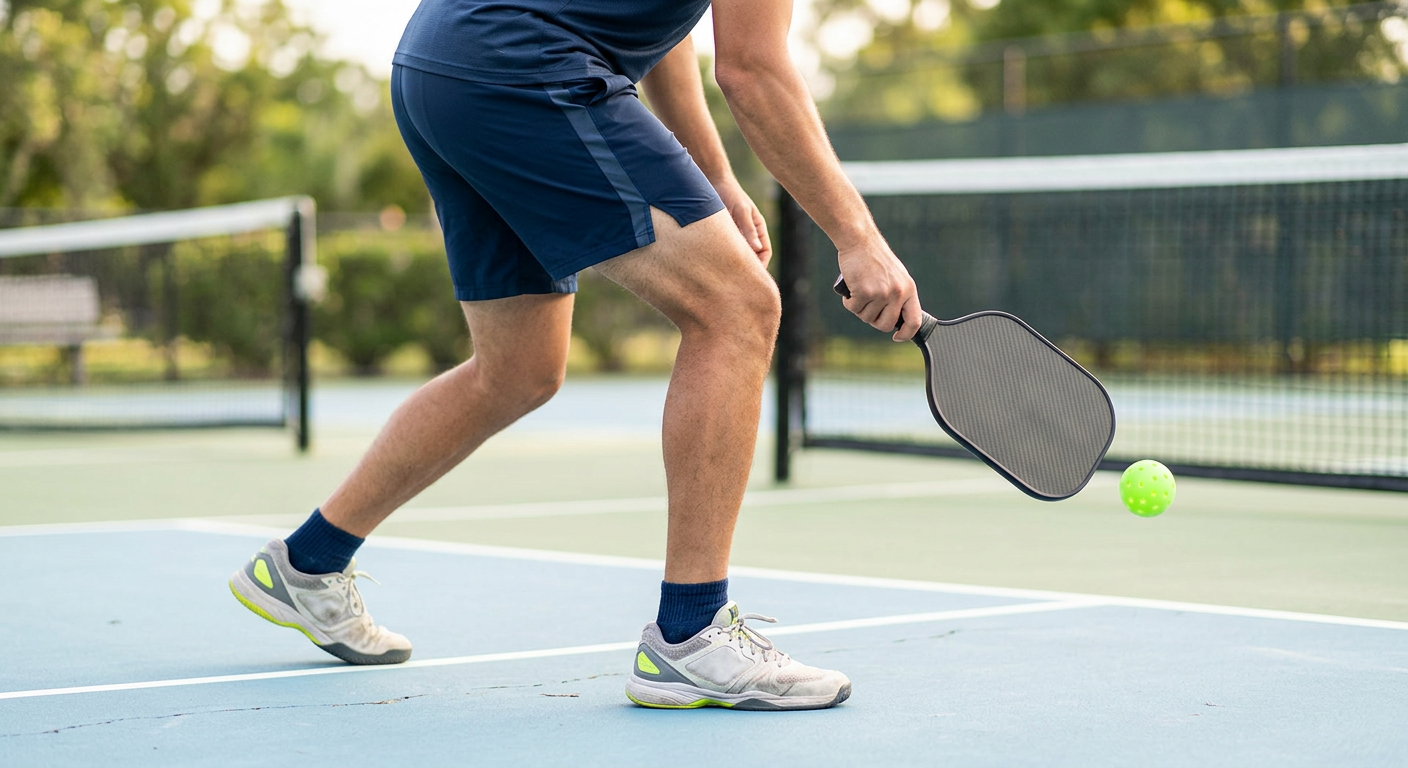
Welcome back to the Beast Hack blog, Keaton Smith here. I've been seeing a lot of great discussion lately from pickleball players of all stripes, asking a really fundamental question: "What's the roadmap for improvement?" Whether you're just starting out or you're pushing for that next level, it's natural to want a clear path. It can feel a bit overwhelming, looking at all the different shots and strategies, so let's break it down into actionable steps you can take, emphasizing consistent, intentional practice.
The Foundation: Ball Control and Consistency First
Before you can unleash hero shots, you need to master the basics. This is true for every sport, and pickleball is no exception. For beginners, the primary goal should be to keep the ball in play and minimize unforced errors. This means focusing on:
- Serving Deep: A deep serve puts your opponent on the defensive and gives you more time to get to the net. Practice consistently hitting serves that land deep in the service box without faulting.
- Returning Deep: Similar to the serve, a deep return of serve helps you neutralize your opponent's advantage and allows you time to advance.
- Forehand and Backhand Drives: Learn to hit consistent, controlled drives from both sides. Focus on getting the ball over the net with power and placement, rather than just hitting it hard. Repetition is key here.
- Volleys: Position yourself effectively at the net and practice crisp volleys. Control, not power, is the initial focus.
At this stage, patience is your best friend. Don't worry about spin or fancy drops yet. Just aim to hit the ball where you want it to go, consistently. Many games at lower levels are won by the team that makes fewer mistakes.
Elevating Your Game: Adding Touch and Strategy
Once you're consistently getting the ball in, it's time to layer in more nuanced shots and tactical thinking. This is often where players from 3.0 to 4.0 ratings see significant growth.
- Third Shot Drops and Drives: This is arguably one of the most critical elements in pickleball. Practice hitting effective third shot drops to get to the net, and equally, practice well-placed third shot drives to keep your opponents off balance. The choice depends on the situation, but mastering both is crucial. This is where touch and understanding opponent positioning come into play.
- Dinking: The short game is paramount. Develop a consistent dink game, both cross-court and straight-ahead. Learn to absorb pace and place the ball just over the net, forcing your opponents to hit up. It's not about winning points with dinks, but about setting yourself up for an attack.
- Footwork and Court Coverage: As your shots improve, your movement needs to keep pace. Practice split-stepping, quick lateral movements, and transitioning from the baseline to the non-volley zone (NVZ). Efficient footwork saves energy and puts you in a better position to react.
- Shot Tolerance: This ties into dinking. Learn to patiently exchange dinks or rallies until an opportunity for an attack presents itself. Don't feel compelled to rush or go for low-percentage shots just because the rally is long. Good players develop the ability to wait for the right moment.
For these skills, focused drills are incredibly beneficial. Instead of just playing games, dedicate practice time to specific shots.
Advanced Play: Mastering Anticipation and Pressure
For players pushing past a 4.0 rating, the game shifts to a higher level of strategy, anticipation, and execution under pressure.
- Serve and Return Variation: Beyond just deep, now you're thinking about adding spin (topspin, slice), varying pace, and targeting specific weaknesses in your opponent's positioning.
- Aggressive Net Play: While dinking is key, so is knowing when to attack. Learn to poach, speed up dinks, and put away volleys with authority while still maintaining control.
- Resets: When you're pushed back from the NVZ, having a reliable reset shot (a soft shot that lands short) is crucial to buy yourself time to recover and get back to the net.
- Reading Opponents and Anticipation: This comes with experience. Learn to read body language, paddle face, and common patterns to anticipate your opponents' shots before they hit them. This allows you to react faster and better position yourself.
- Mindset and Adaptability: At higher levels, mental toughness is just as important as physical skill. Staying calm under pressure, adapting your strategy to different opponents, and learning from every point are vital.
The Role of Dedicated Practice and Equipment
No matter where you are on your pickleball journey, consistent, deliberate practice is the accelerant for your improvement. Simply playing games is fun, but targeted drills are what build skills quickly. Finding a willing practice partner can be great, but often, the most effective training involves specialized equipment.
This is where tools like the Beast Hack PicklePost Pro come in. Imagine being able to practice your deep serves and returns without constantly chasing balls. Picture drilling your third shot drops or drives, hitting hundreds of repetitions to build muscle memory, all in your own space, on your own schedule. The PicklePost Pro allows you to set up a dedicated hitting station, giving you instant feedback and countless reps on your form, power, and precision. It’s a versatile tool for juniors, adults, and seniors alike, providing a consistent target for all the shots you're trying to master, from foundational drives to nuanced resets.
Your pickleball roadmap is about continuous learning and refinement. Embrace the process, celebrate small victories, and always look for ways to improve.
What's one specific skill you're focusing on improving in your pickleball game this week?