Unlock Your Pickleball Potential with Consistent Practice
By Keaton Smith, Founder of Beast Hack | October 1, 2026
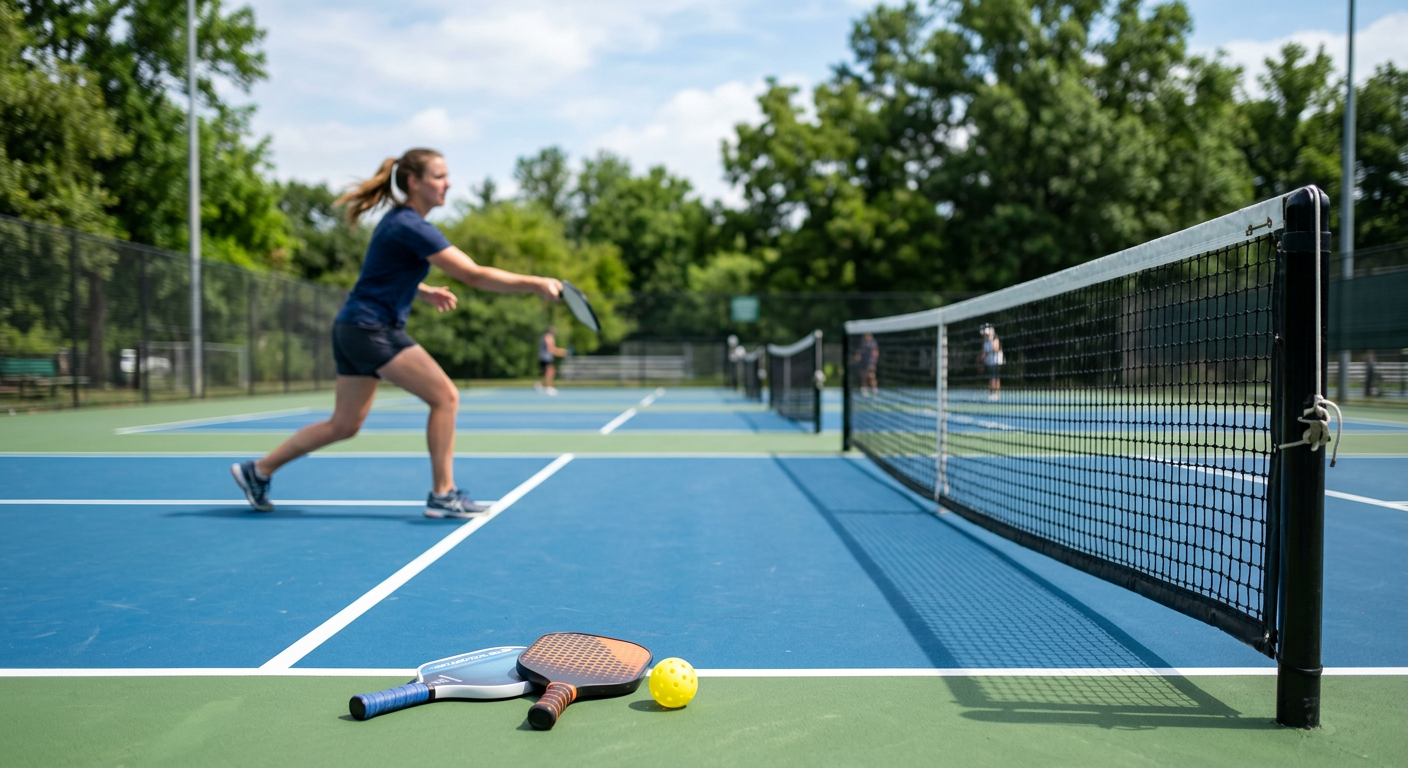
Hello, fellow pickleball enthusiasts, Keaton Smith here. It's truly inspiring to see how many of us, from young juniors just picking up a paddle to seasoned players who have mastered the art of the dink, are constantly looking for ways to improve our game. One thing that consistently comes up in discussions is the importance of dedicated practice. Whether you're aiming for that perfect serve, a more strategic dink, or just want to feel more confident on the court, consistent, focused practice is your most reliable path to progress.
I've seen firsthand how players at every level, whether they're taking their first lesson or competing in advanced tournaments, benefit immensely from regular training. It's not just about playing games, though that's certainly part of the fun, it's about refining those foundational skills and developing new ones.
Why Consistent Practice is Your Pickleball Superpower
Think about any skill you've ever mastered, whether it's learning an instrument, a new language, or even a complex recipe. It always comes down to repetition and refinement. Pickleball is no different. Consistent practice allows you to build muscle memory, understand shot mechanics more deeply, and react instinctively under pressure. It's how you move beyond just hitting the ball to truly playing with purpose and control.
For beginners, practice is about establishing correct form and understanding the basic movements. For intermediate players, it's about fine-tuning shots, working on consistency, and exploring strategic play. And for advanced players, it's where you push the boundaries of your technique, develop sophisticated strategies, and maintain peak performance. Regardless of where you are on your pickleball journey, there's always something to improve, and consistent practice is the engine that drives that improvement.
Mastering the Fundamentals: Drills for All Skill Levels
When we talk about practice, it's not always about finding a partner for a full match. Sometimes, the most effective training happens when you break down the game into its core components.
For beginners and recreational players, focus on:
- Forehand and Backhand Volleys: Stand a few feet from the net and practice consistently hitting volleys. Focus on a controlled swing and keeping the ball in play. The goal is to get 10-15 successful volleys in a row.
- Dinking: The dink is foundational. Practice soft shots into the kitchen, aiming for consistency and placement. Try to dink cross-court or down the line for five minutes without missing.
- Serving and Return of Serve: Work on getting your serves deep and consistent. For returns, focus on hitting it deep into your opponent's court, giving yourself time to get to the non-volley zone.
For intermediate and competitive players, elevate your drills:
- Third Shot Drops and Drives: This is a game-changer. Practice hitting those delicate third shot drops that land softly in the kitchen, or aggressive third shot drives that put pressure on your opponents. Drill 10 drops, then 10 drives, focusing on controlled placement.
- Transition Zone Play: Practice moving from the baseline to the non-volley zone. Simulate returning a serve, hitting a third shot, and then moving forward, ready for the next shot.
- Attacking and Defending from the NVZ: Practice attacking high dinks and defending against powerful smashes while maintaining your position at the non-volley zone line.
These drills can be done with a partner, a ball machine, or even solo against a wall if you're working on stroke mechanics. The key is to be intentional with each shot and rep.
The Power of Repetition: Building Muscle Memory and Confidence
Repetition is not just about doing the same thing over and over, it's about doing it correctly over and over. When you consistently practice proper technique, your body starts to learn the movements. This muscle memory is what allows you to react quickly and accurately during a fast-paced game without having to consciously think through every action.
Think about serving. When you first learn, you might overthink each step: toss, swing, contact. With consistent practice, that serve becomes fluid and natural. The same goes for your dinks, volleys, and groundstrokes. The more you repeat the correct motion, the more ingrained it becomes, freeing up your mind to focus on strategy and your opponent's movements rather than your own paddle swing. This builds immense confidence, letting you play more freely and aggressively.
Bringing Your Practice Home: Maximizing Your Training Time
While nothing beats on-court play, you don't always need a full court to improve. Many players find significant benefit from practicing at home or in their backyard. This allows you to focus purely on mechanics without the pressure of a game.
Consider setting up a dedicated space for solo practice. A quality hitting station can be invaluable for working on consistent contact, stroke mechanics, and even footwork. Imagine being able to practice your dinks, volleys, and groundstrokes with immediate feedback, anytime you want. This kind of consistent, accessible practice can truly accelerate your development. It’s why we developed the PicklePost Pro, a robust, American-made hitting station designed to withstand countless volleys and keep you training. You can learn more about how it can support your home practice routine at https://beasthack.com/products/picklepost-pro.
Consistent practice isn't just about becoming a better player, it's about deepening your connection to the sport and maximizing the joy you get from every game.
What's one specific pickleball skill you're committed to improving through consistent practice this week?