Mastering Plate Discipline: Young Hitters' Secret Weapon
By Keaton Smith, Founder of Beast Hack | October 5, 2026
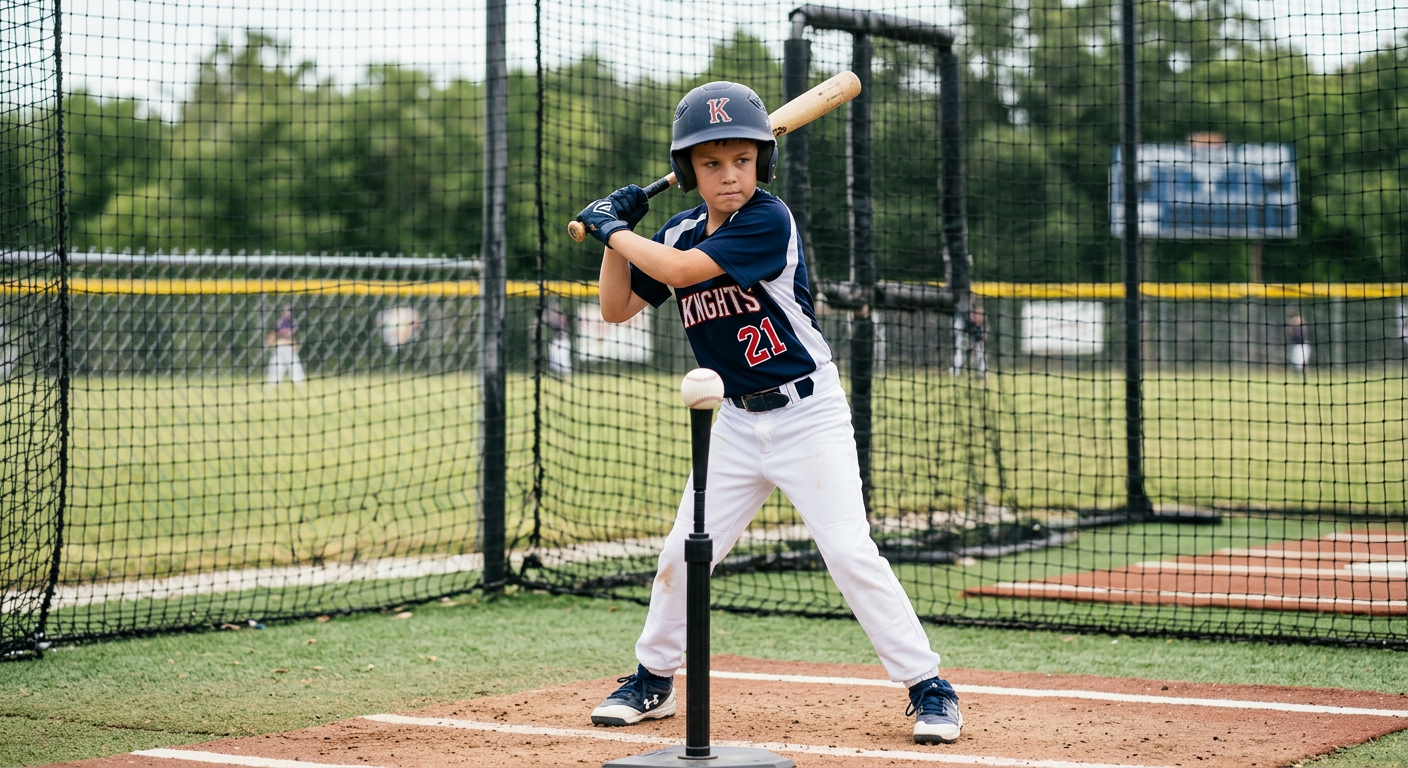
Hello, future Beast Hackers, Keaton Smith here, your founder and fellow enthusiast for all things baseball. It's truly inspiring to see so many young athletes out there, working hard, learning the game, and growing into incredible players. As we look at what makes a great hitter, especially in the youth leagues, one foundational skill often stands out: plate discipline. It's not just about hitting the ball hard, it's about hitting the right ball, and that starts with knowing your strike zone.
I've seen countless discussions among coaches and parents about how to help young hitters improve. One consistent theme is the challenge of consistency at the plate and making smart decisions about what pitches to swing at. It’s a common hurdle, whether you're just starting in Tee Ball or competing in travel ball. That's why I want to dive into why plate discipline is so crucial for our young athletes and how we can help them develop this essential skill.
Why Plate Discipline Matters More Than You Think
When we talk about plate discipline, we're really talking about a hitter's ability to consistently identify strikes from balls and to swing only at pitches they can drive effectively. For young players, this skill is paramount for several reasons.
First, it directly impacts their on-base percentage. More walks mean more opportunities to get on base, which is fundamental to scoring runs. Think about it: a walk is just as good as a single for getting on base, and it doesn't even require contact. Second, it reduces strikeouts. Swinging at pitches outside the zone, especially breaking balls or changeups that miss, often leads to weak contact or misses. By being selective, young hitters give themselves the best chance to put a quality swing on a quality pitch. Third, and perhaps most importantly for development, it forces pitchers to throw strikes. If a hitter consistently lays off bad pitches, the pitcher has to come into the strike zone, increasing the chances for good contact. This creates a better learning environment for both the hitter and the pitcher.
Training the Eye: Understanding the Strike Zone
The first step in developing plate discipline is teaching young players what the strike zone actually is. It sounds simple, but it's often overlooked. Many young players are just told "swing at strikes" without a clear understanding of its boundaries.
We can start by using visual aids. Draw a strike zone on a fence or a large cardboard box. Have players stand at home plate and identify where a ball would need to pass to be a strike. Better yet, use a batting tee. Set the ball at various heights and locations within the strike zone, then outside of it. Ask them, "Is this a strike?" This helps them build a mental map of the zone. You can also use colored tape or cones to mark the top, bottom, and sides of the plate on the ground to visualize the width and depth of the zone.
Another great exercise is "watching pitches." During practice, have players stand in the batter's box without a bat, observing pitches. Instead of swinging, their only job is to call out "strike" or "ball" as the pitch crosses the plate. This takes the pressure off hitting and allows them to focus solely on pitch identification. You can even make it a game: award points for correct calls.
Drills for Developing Selective Aggression
Once the strike zone is understood, the next step is to combine that knowledge with controlled aggression. We don't want passive hitters, we want selective hitters.
One effective drill is the "Tee Zone Challenge." Set up a batting tee directly in the middle of the plate, at a comfortable height. Have the player hit 10 balls from this ideal location. Now, move the tee just outside the strike zone, say, six inches off the plate or a foot above or below. Instruct the player NOT to swing at these "bad" pitches. Then, bring it back into the zone. The goal is to develop the discipline to only swing when the ball is positioned where they know they can make solid contact. This drill helps them feel the difference between a "hittable" pitch and one they should lay off.
Another fantastic drill, especially for younger players, involves soft toss or front toss. Stand 10-15 feet in front of the batter and toss balls, varying where they land. Tell the hitter to only swing at pitches that are "cookies" or "prime cuts," meaning pitches they can really drive. If a pitch is clearly a ball, they take it. This drill helps them learn to "start early but not rush" and process pitches quicker, which is a common focus for travel teams. It also teaches them to wait for their pitch.
Patience and Practice: The Keys to Consistency
Improving plate discipline isn't an overnight process, it requires patience from both the player and the coach. As coaches and parents, our role is to create a supportive environment where young players feel comfortable taking pitches, even if it results in a strikeout looking sometimes. Celebrate good takes just as much as good hits. Emphasize that taking a ball is a smart decision that puts the team in a better position.
Repetition is key, and having a dedicated space for regular practice makes all the difference. Imagine a player who can consistently work on their pitch recognition and selective swinging, not just during team practices, but also at home or at the local park. This consistent, focused training is where real improvement happens.
For this kind of dedicated practice, having a reliable hitting station is invaluable. Our Beast Hack Baseball Permanent Hitting Station, for example, offers an incredible platform for young players to hone these skills. Its robust, American-made design means it can stand up to countless hours of practice, allowing players to work on their strike zone awareness, timing, and selective hitting without having to worry about constant setup or breakdown. It's a fantastic tool for reinforcing the lessons learned in practice and building the muscle memory needed for exceptional plate discipline. You can check it out at https://beasthack.com/products/baseball-permanent-station.
Developing strong plate discipline is one of the greatest gifts you can give a young baseball player. It empowers them to be smarter hitters, more confident at the plate, and ultimately, more valuable to their team. It's a skill that pays dividends throughout their entire playing career.
What's one small change you can encourage in your young player's approach to the plate this week to improve their plate discipline?