Mastering the Pickleball Reset: Your Path to Next-Level Play
By Keaton Smith, Founder of Beast Hack | October 8, 2026
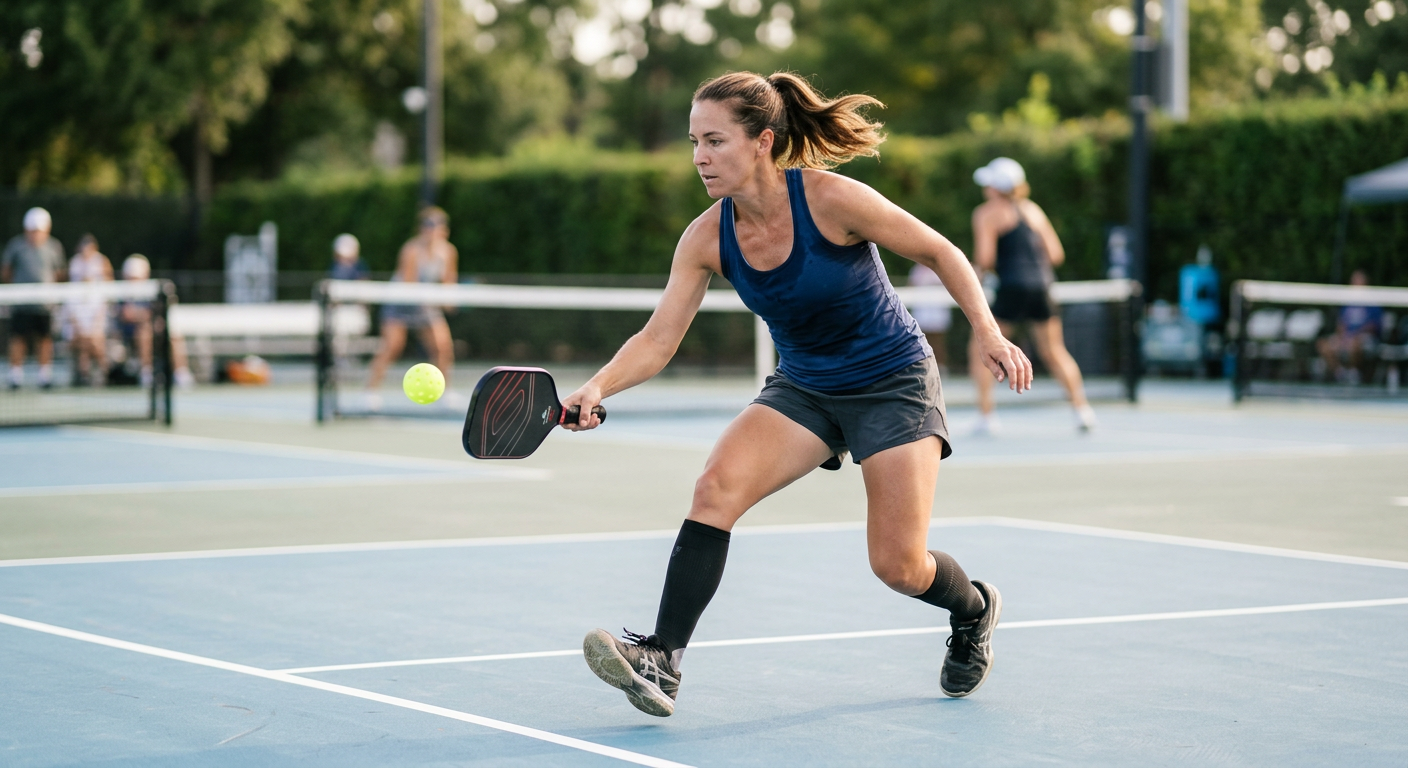
Hey everyone, Keaton here. It's always a privilege to connect with fellow athletes and talk about what makes our games better. Pickleball, in particular, has seen incredible growth because it's so accessible and fun, but it also offers endless opportunities for skill development. I've been noticing a lot of conversations lately from players looking to make that leap, whether it's from a 3.5 to a 4.0 rating or just feeling more in control during competitive play. A common thread in these discussions is the desire to improve consistency and strategic play, especially when things get fast and furious at the net.
One fundamental skill that consistently comes up when players talk about elevating their game, particularly from the intermediate level upwards, is the mid-court reset. It's a shot that might not grab all the highlights, but it's absolutely critical for controlling rallies, neutralizing aggressive attacks, and setting yourself up for success. Today, I want to dive into why the mid-court reset is so important and how you can integrate focused practice into your routine to master it.
Why the Mid-Court Reset is Your Secret Weapon
Imagine you're caught in a tough spot. Your opponent has hit a powerful drive, and you're off-balance, scrambling to get the ball back. Your instinct might be to try and hit a winner, but often, that just leads to unforced errors. This is precisely where the mid-court reset shines.
A successful reset isn't about power, it's about control and placement. It’s a soft shot, often hit with underspin, that lands gently in the non-volley zone or just inside it, forcing your opponents to hit up on the ball. This buys you time to recover, get back to the kitchen line, and neutralize the point, turning a defensive situation into a neutral, or even offensive, opportunity. Without a consistent reset, you're constantly on the defensive, reacting to your opponent's pace rather than dictating your own. Mastering it allows you to slow down the game, regain position, and make smarter choices.
The Mechanics of a Great Reset
Executing a solid mid-court reset involves several key components:
- Preparation and Paddle Face: Keep your paddle up and ready. As the ball approaches, prepare with a slightly open paddle face. This open face is crucial for imparting underspin and lifting the ball just enough to clear the net.
- Soft Hands and Compact Swing: This isn't a power shot. Think of it more as a controlled push or a deft touch. Use soft hands, letting the paddle do the work. Your swing should be compact, almost like a scoop or a gentle brush upward and forward, guiding the ball rather than hitting it hard. Avoid a big backswing, which can lead to inconsistency.
- Footwork and Balance: You can't hit a controlled shot if you're off balance. Good footwork is vital to get into position before you hit the ball. Shuffle your feet, take small steps, and ensure your body is balanced. If you're stretching or lunging, it's much harder to execute a soft, controlled shot.
- Targeting and Trajectory: Your primary target is the non-volley zone. Aim to get the ball to land softly, forcing your opponents to lift it. The trajectory should be an arc, high enough to clear the net comfortably, but not so high that it gives your opponents too much time to prepare for an aggressive smash.
Drills to Hone Your Reset Skills
Practice makes perfect, and for the mid-court reset, focused drilling is essential. Here are a couple of ideas to get you started:
- Reset Repetition Drill: With a partner, stand at the baseline. Your partner drives balls at you from the baseline or mid-court. Your goal is to hit a soft reset shot into their non-volley zone. Focus purely on control, consistency, and landing the ball softly in the target area. Don't worry about winning the point, just worry about making that reset. Start with 10-15 resets in a row, then switch positions.
- Live Ball Reset Scramble: This drill is a bit more dynamic. Start with one player at the baseline and another at the kitchen line. The baseline player drives a shot. The kitchen line player then tries to reset the ball back into the kitchen. Both players continue to hit, with the focus on the baseline player trying to create an attacking shot and the kitchen line player trying to reset. This simulates game-like situations where you have to react quickly.
These drills can be incredibly effective when done with intention. You'll build muscle memory for that soft touch and improve your ability to react to various speeds and angles.
The Beast Hack Advantage for Your Pickleball Training
Consistent, focused practice is the bedrock of improvement in any sport. While a partner is great for live drills, sometimes you need to get those reps in on your own schedule, focusing on your specific weaknesses. That's where a high-quality, reliable training tool comes in.
Our Beast Hack PicklePost Pro is designed with this kind of focused training in mind. It's an American-made, incredibly durable hitting station that allows you to practice your resets, dinks, volleys, and drives with consistent ball returns. Imagine being able to work on that soft mid-court reset, hitting hundreds of repetitions, perfecting your paddle face angle and swing without having to retrieve balls or wait for a partner. It’s a fantastic way to build that muscle memory for critical shots like the reset, ensuring that when you step onto the court, those controlled touches feel natural and automatic.
Dedicated training with tools like the PicklePost Pro can truly accelerate your development, providing a consistent, predictable environment to refine those nuanced shots that make all the difference.
What's one shot in pickleball that you're currently trying to master?