Mastering Balance: The Secret to Better Pickleball at Any Age
By Keaton Smith, Founder of Beast Hack | November 12, 2026
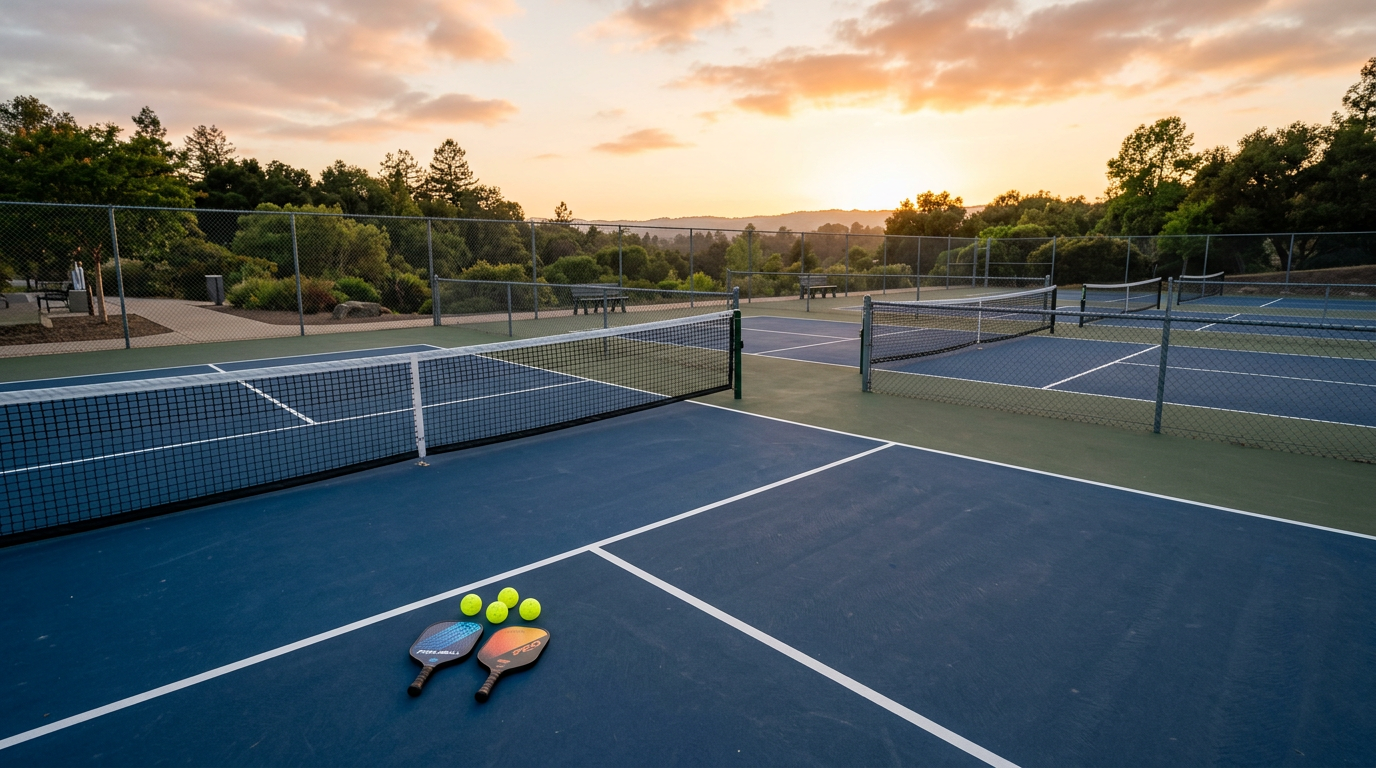
When people talk about improving their pickleball game, the conversation usually jumps straight to paddle tech, spin rates, or lightning-fast hand speed at the kitchen line. Those elements are exciting, but after watching players of every age and skill level spend hours working to elevate their game, I have noticed that the real difference maker rarely starts in the wrist or shoulder. It starts right down at your feet.
Balance is the quiet engine behind every consistent shot on the court. Whether you are a junior athlete learning how to load into a powerful drive, a club player grinding through tough transition resets, or a senior player focused on staying safe and sure-footed, dynamic balance is your best friend. When you feel stable underneath yourself, the game slows down, decision-making becomes easier, and mis-hits drop dramatically.
Let us look at why body control matters so much across every generation of players, along with a few practical ways you can train your balance to unlock a smoother, more confident game.
Balance is the Foundation of Clean Ball Striking
In pickleball, the ball moves fast and the court space is compact. Because rallies develop in fractions of a second, many players fall into the trap of hitting while their weight is drifting backward or leaking sideways. When your center of gravity is moving while you strike the ball, your paddle angle changes mid-swing, leading to popped-up dinks and balls sailing long.
Controlled balance solves that issue before it starts. When your base is quiet, your eyes stay level with the ball. That steady visual tracking allows you to make clean contact out in front of your body rather than reaching or lunging.
For younger players, learning this discipline prevents the common habit of over-swinging. For adult and senior players, maintaining a solid athletic base protects your knees, hips, and lower back from the awkward twisting that leads to fatigue and soreness. Balance is not just about standing upright; it is about staying balanced while in motion.
The Power of the Split-Step and Controlled Deceleration
One of the most common themes being discussed in local clinics and training circles this season is the art of transition movement, specifically knowing when to stop moving. Higher-level players rarely hit on the dead run. Instead, they master deceleration.
Whenever your opponent is about to make contact with the ball, you should be landing a soft, balanced split-step. This does not need to be a giant hop. It is simply a slight, balanced pause on the balls of your feet with your knees flexed and your chest upright.
By coming to balance right as the ball is struck:
- You eliminate momentum that pushes you out of position.
- You can push off effortlessly in any direction without rolling an ankle.
- You give your hands time to set into an unhurried, compact swing shape.
Next time you drill with a partner, stop focusing entirely on where your shot lands. Instead, pay attention to what your feet are doing the moment your partner swings. If you are still running through your shot, you are giving away free errors. Come to a balanced stop first, then play the ball.
Everyday Stability Habits for Every Age Group
Building better balance does not require an expensive gym membership or complex equipment. In fact, simple daily habits make a massive difference in your court awareness and tendon strength.
-
The Single-Leg Kitchen Hold: While watching television or brushing your teeth, practice standing on one foot for 30 to 45 seconds at a time. Keep a soft bend in the standing knee and engage your core. As that becomes easy, close your eyes or gently turn your head side to side to challenge your inner ear and stabilizing muscles.
-
Shadow Dinking with Frozen Finishes: Set up in your living room or driveway with your paddle. Step forward into a soft dink, make your shadow stroke, and freeze your follow-through for two full seconds. Check your posture: Is your chest leaning too far over your toes? Are you falling backward? Aim to hold the finish with complete stillness before resetting.
-
Lateral Line Steps: Place a strip of tape on the ground and step laterally over it, pausing on the outside leg with soft knee flexion. This builds the exact ankle strength needed for lateral recovery dinks at the non-volley zone line.
For our senior players, these drills provide peace of mind and protect against court tumbles. For junior and open-level players, they build the explosive first-step quickness needed to cover the sidelines.
Creating Repeatable, High-Quality Reps at Home
One of the hardest parts of developing solid footwork is getting enough touches without feeling rushed by a live opponent. When you are playing a rec game, the pressure to win the point often overrides your desire to practice sound mechanics.
That is why dedicated training stations are so valuable for player development. Along with wall drills, shadow swings, and partner feeds, having a dedicated practice setup at home lets you slow down the process and isolate your footwork.
At Beast Hack, we designed our equipment around that exact philosophy of intentional training. If you are looking to build rock-solid mechanics and repeatable touch right in your driveway, backyard, or garage, the PicklePost Pro gives you a rugged, American-made training station built to take endless repetitions. Designed with premium modular construction, it gives players of all ages the opportunity to groove balanced, compact strokes without having to chase balls across the street.
When you remove the chaos of a chaotic game and focus on disciplined, balanced repetitions, your confidence soars the next time you step onto a public court.
Stay Grounded and Keep Growing
Pickleball is a sport that brings families, generations, and competitors together like almost nothing else. Whether you picked up a paddle for the first time this month or you have been competing in local tournaments for years, never overlook the basics. Trust your base, take pride in quiet feet, and let your balance do the heavy lifting.
What is one small adjustment you can make to your footwork this week to feel more balanced at the kitchen line?