Doing Youth Baseball Right: Reps Over Tournament Road Trips
By Keaton Smith, Founder of Beast Hack | November 9, 2026
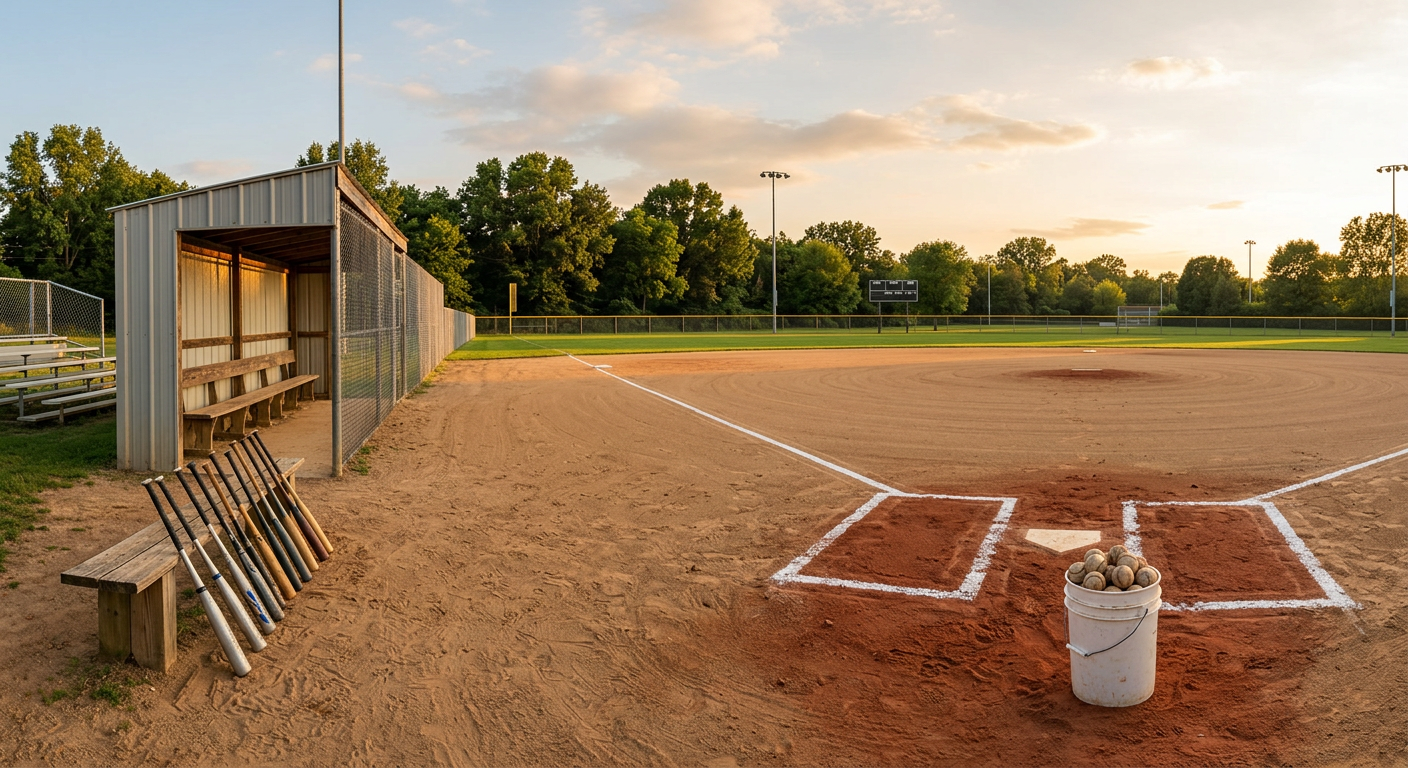
If you spend any time around youth baseball right now, you have probably noticed a growing conversation among coaches and parents. From local dugout chats to online community forums, people are asking tough questions about the youth sports landscape. Are we traveling too far just to play teams from our own backyard? Are kids getting burned out before they even reach high school? Is the focus shifting away from genuine skill building?
It is easy to see why these discussions get passionate. Everyone wants what is best for their young ballplayers, whether they are six years old learning the game in tee ball or fourteen and preparing for high school tryouts. Travel ball gets its share of criticism, but the goal should never be to tear down opportunities for kids to compete. Instead, we have an incredible opportunity to do youth baseball right. Doing it right means putting player development, quality repetitions, and a genuine love for the game back at the center of the dugout.
The Repetition Math: Games Versus Practice
Consider what a typical tournament weekend looks like for a nine or ten year old hitter. A family might drive two hours each way, book a hotel room, and spend entire Saturdays and Sundays at the ballpark for a three-game guarantee.
In those three games, an individual player might see four or five at-bats. Over those trips to the plate, they might swing at three or four pitches total. If they strike out twice and draw a walk, their entire weekend of live swing feedback comes down to just a handful of swings.
Now, compare that to a focused, sixty-minute station practice. In a well-organized practice environment with multiple hitting stations, that same young hitter can take sixty to eighty deliberate, mechanically sound swings. They can work on path, timing, and pitch recognition without the anxiety of a scoreboard hanging over their head.
Games are where players test their skills and learn how to compete as teammates, but practice is where players actually become hitters. When youth programs prioritize game count over practice volume, development inevitably stalls. Shifting the balance back toward dedicated training days gives young athletes the foundational muscle memory they need to step into the batter's box with confidence.
Building Team Culture Beyond the Tournament Bracket
One of the best parts of youth baseball is the camaraderie. When you ask former players what they remember most about their travel ball or Little League days, they rarely talk about the plastic trophies or weekend tournament rings. They remember the laughter between drills, the dugout cheers, and the feeling of putting in work alongside their friends.
As teams move into off-season workouts and indoor facility sessions, coaches have a golden opportunity to double down on team culture. High-rep hitting circuits are one of the best tools for building connection. When players rotate through stations in small groups, they encourage one another, watch different swing paths, and learn how to coach their peers through positive feedback.
A healthy team environment values individual progress just as much as a tournament championship. When young players realize their coaches and teammates celebrate their improved bat speed or disciplined strike zone awareness, their intrinsic motivation takes off.
Creating a Daily Development Routine for Ages 6 to 14
You do not need a three-hour window or an elaborate complex to build a productive daily hitting routine. Consistency matters far more than duration, especially for growing athletes.
For younger players (ages 6 to 10):
- Keep sessions short and engaging. Fifteen to twenty minutes of focused work keeps attention sharp.
- Prioritize clean contact over distance. Use hitting tees at various heights to teach balance and posture.
- Incorporate fun targets. Setting up nets or zones for line drives helps kids visually understand launch angle without overwhelming them with data.
For intermediate players (ages 11 to 14):
- Focus on pitch timing and plate discipline. Short front toss and soft toss help hitters develop rhythm.
- Work on situational hitting. Give them specific counts and field scenarios to think through before each set.
- Encourage ownership. Let players chart their own solid-contact percentages so they see their progress over weeks and months.
By making daily skill work accessible and predictable, parents and coaches remove the pressure of the weekend tournament and replace it with a sustainable training habit.
Reliable Training Stations Make the Difference
To get the kind of high-volume repetitions that move the needle, coaches and parents need tools that can handle daily abuse. Whether you are running a four-team organization through winter indoor stations or helping your son or daughter get fifty swings in after dinner, dependable gear keeps the focus on the swing, not on chasing runaway nets or replacing worn-out frames.
That focus on durable, reliable development equipment is why we designed the Baseball Permanent Hitting Station. Engineered and built with American-made steel, it is designed to give schools, training facilities, and dedicated backyard setups an industrial-grade station that stands up to every practice, season after season. It is one of many great training tools available to coaches today, and having a dedicated, permanent place to work allows hitters of any age to step in and get better without setup friction.
When quality equipment is always ready to go, the barrier between a player and their daily reps disappears.
Keeping the Joy in the Journey
Youth baseball should be challenging, exciting, and, above all, fun. When we take a step back from the frenzy of weekend travel schedules and reinvest that time and energy into deliberate practice, everyone wins. Players get better faster, parents spend less time stressed on the highway, and coaches get to do what they love most: teaching the game.
Take a look at your team's upcoming schedule or your family's weekly baseball routine. When you look back on this season years from now, it will not be the tournament standings that mattered. It will be the work you put in, the growth you witnessed, and the love of the game you built along the way.
What is one small adjustment you can make to your practice schedule this week to trade game stress for quality development reps?