Ditch the Youth Stats: Why Hard Contact Matters Most
By Keaton Smith, Founder of Beast Hack | November 23, 2026
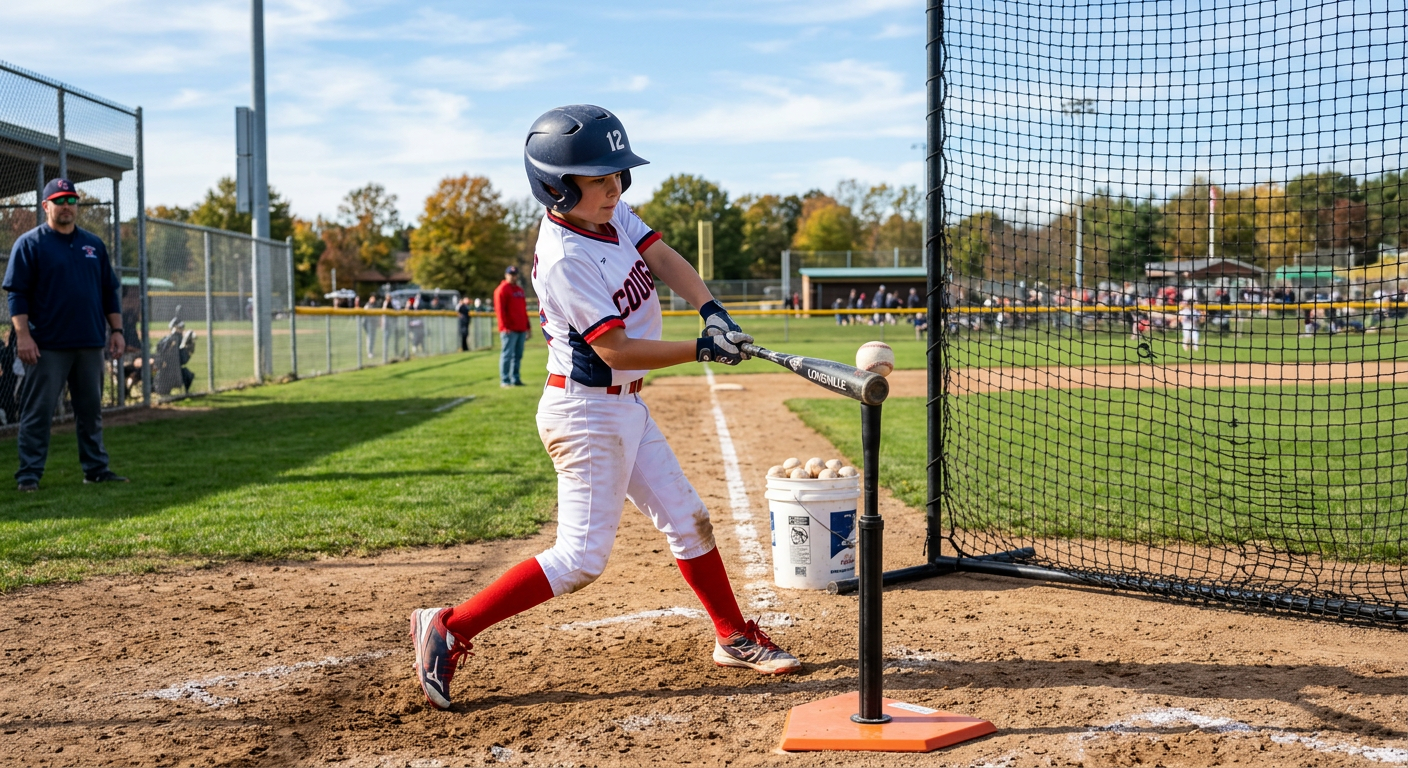
If you have spent any time around youth baseball fields lately, you know how easy it is to get wrapped up in numbers. Between dugout scorekeeping tablets and apps that track every pitch in real time, families are looking at batting averages, on-base percentages, and spray charts for nine-year-olds on the car ride home from the ballpark.
I talk to parents and travel-ball coaches every single week who share the same quiet frustration. Young hitters are walking back to the dugout with their heads hanging after smoking a line drive straight at the shortstop, convinced they failed because the app recorded an out. Meanwhile, a soft mis-hit that dribbles through the infield for an accidental single gets celebrated like a home run.
If we want our kids to love this game and develop the skills that will carry them into high school and beyond, it is time to take a deep breath and change the scoreboard. At ages 6 to 14, batting average is often a distraction. The metric that truly matters is how often a hitter makes solid, hard contact.
Why Batting Average Lies in Youth Baseball
At the youth level, field dimensions are small, defenses are still learning how to read hops, and pitching velocity varies wildly from one inning to the next. Because of that, raw batting average tells you very little about how well a young athlete actually swung the bat.
A hitter who is scared of striking out will often start steering the ball. They slow their hands down, poke weakly at outside pitches, and hope for an infield error. That approach might pad an online stat sheet in April, but it creates mechanical habits that break down the moment pitching speeds pick up on the bigger field.
Conversely, hitters who swing with balanced intent and hunt the sweet spot might hit three absolute rockets in a Saturday doubleheader and finish 0-for-3 with three lineouts. If we judge that player solely by the box score, we send the wrong message. We teach them that the result out of their control matters more than the quality of their preparation and their swing.
Shifting to Quality At-Bats and Hard Contact
When I work with coaches and parents, I always encourage them to adopt a simpler, healthier standard: the Quality At-Bat (QAB).
A Quality At-Bat rewards the process. Did the hitter swing at good pitches? Did they compete with two strikes? Did they hit the ball hard, regardless of whether a fielder caught it?
When you tell an eleven-year-old that their job is simply to swing with confidence and hit the ball hard, something incredible happens. The tension leaves their shoulders. They stop worrying about walking or blooping a single just to protect their average. They start hunting barrels.
Here are three simple ways to reinforce this mindset at home and during team practices:
- Track Barrels, Not Hits: Keep a chart in the dugout or in your training notebook where kids earn a sticker or a checkmark for every ball hit with authority, even if it is caught.
- Celebrate Loud Outs: When a player crushes a ball right at an outfielder, celebrate it just as loudly as a double in the gap. Praise the swing path and the timing.
- Reward Aggressive Decisions: Praise hitters who put their best swing on a pitch in their zone early in the count, rather than passively taking strikes just to run up pitch counts.
Building Intent in the Cage and Backyard
Confidence in games does not happen by accident. It comes from daily, low-pressure repetitions where young hitters are free to fail, adjust, and learn how their bodies create power.
During winter and off-season training, step away from complex swing mechanics and focus on intent. Set up a tee or soft-toss drill and ask your hitter to focus on the sound of the ball coming off the bat. A flush, centered strike sounds distinct from a glancing blow. When kids learn to chase that sound and feel, their bodies naturally organize around making clean contact.
Use target-based feedback. Place cones in the back of the batting net or out on the field and challenge your player to hit line drives through that window. When the goal is driving the ball through a specific target with conviction, mechanics tend to clean themselves up without paralyzing the hitter with ten different mental cues.
A Reliable Setup for Daily Reps
Consistency is the secret sauce for any young ballplayer. You do not need three hours of practice once a week. You need fifteen to twenty minutes of quality, focused cuts four or five days a week.
That is why we built the Baseball Permanent Hitting Station. It is designed right here in the United States using heavy-duty, commercial-grade materials so it can live permanently in your backyard or at your local team facility. Instead of wasting practice time hauling around light plastic gear or untangling portable nets that blow over in the wind, coaches and parents have an all-weather station ready for work whenever their players want to grab a bat.
Whether your player is six years old learning how to transfer their weight or thirteen preparing for the jump to sixty-foot-six-inch pitching, having a dedicated station right outside the backdoor turns off-season intentions into real, measurable development.
Keep the Game Fun
Youth baseball passes by in the blink of an eye. The online stats from an eight-and-under tournament will not matter a decade from now, but the confidence, work ethic, and love for the game that your player builds right now will last a lifetime.
Next time you head to the field or step up to the net for batting practice, take the pressure off the outcome. Remind your young hitter to see the ball, trust their training, and let it fly.
A reflective question for coaches and parents: The next time your player walks off the field after a tough game, what is the first thing you want them to know you noticed about their effort?